
Category: Economics
-

How Enhancing Productivity Can Shield Canada from Trump’s Tariff Threats
As the threat of Donald Trump’s tariffs looms (again), Canada’s governments have vowed to protect the country’s most affected industries. Doug Ford promised to protect auto jobs in Ontario. The Bank of Canada predicts that tariffs would reduce Canada’s GDP by 2-3% in the first year alone, with another 1.1% to 1.5% drop in the…
-
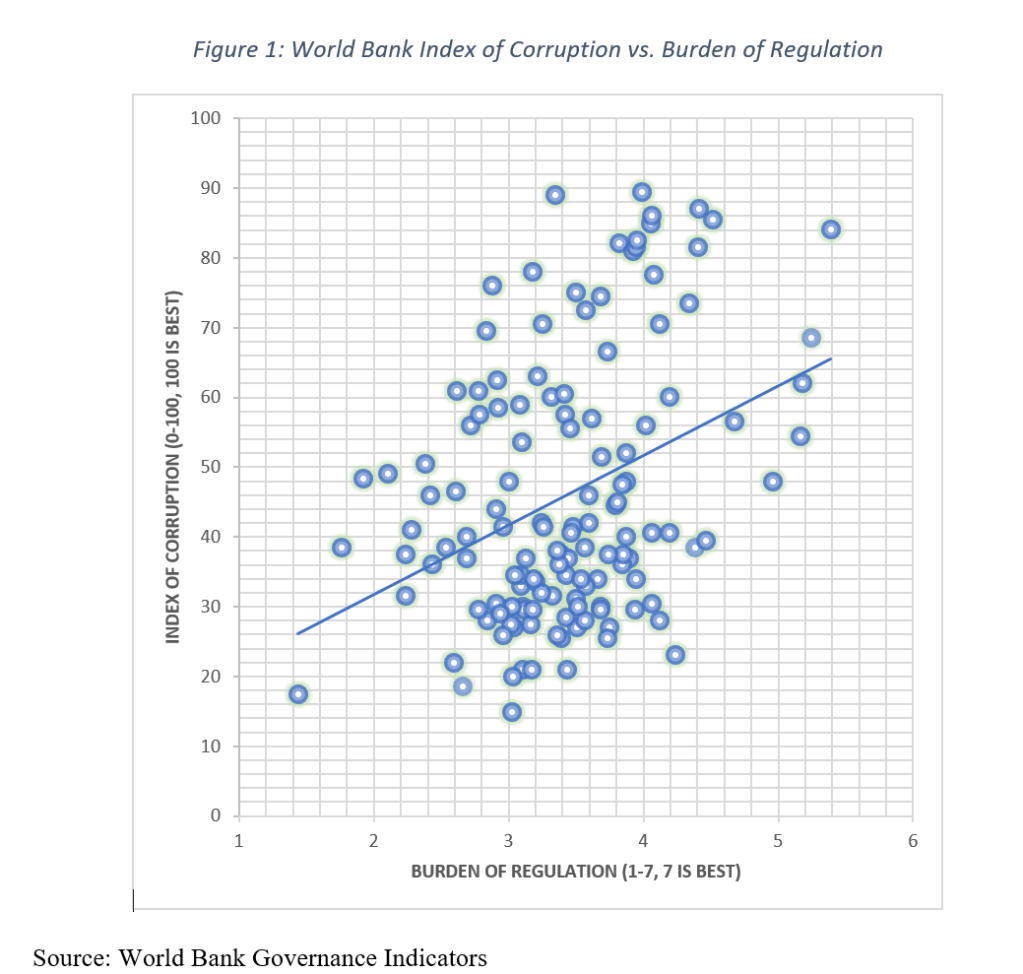
Reducing Regulatory Red-Tape Prevents Corruption
Regulations, like building codes and permitting, are ostensibly designed to protect the safety and well-being of citizens. These licences and permits ensure that buildings are safe for its occupants. However, the lengthy process puts critical financial and economic power in the hands of a few bureaucrats.
-
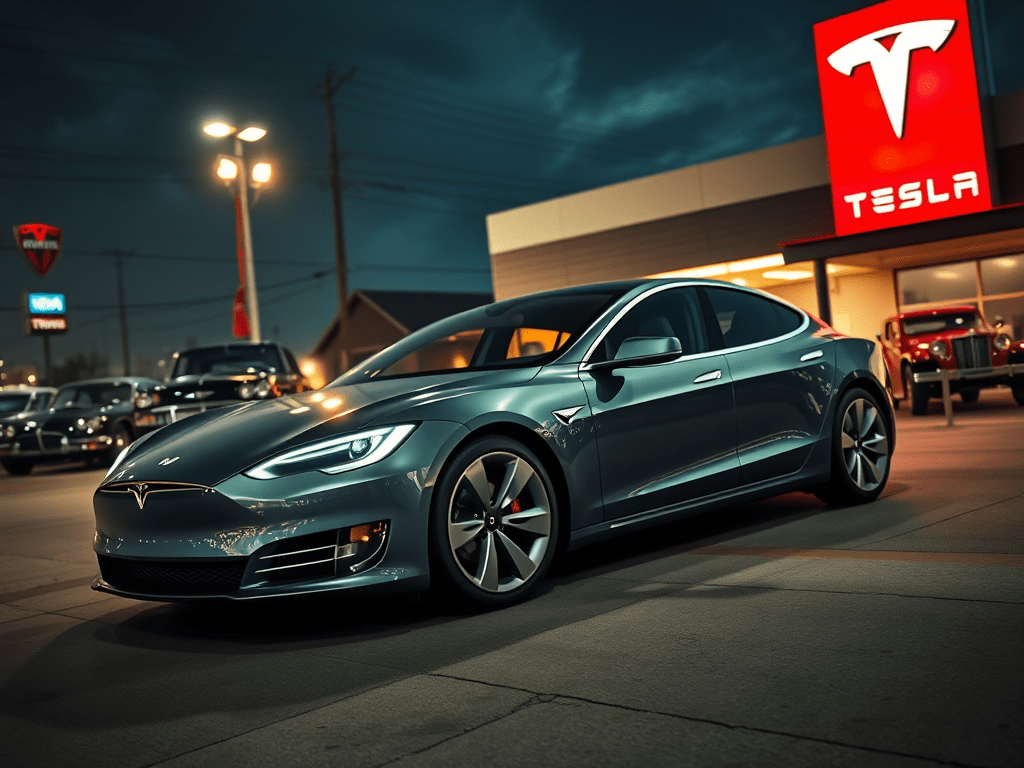
Road to Ruin: Tesla vs. Auto Dealers
Tesla Motors, the famed electric vehicle startup from billionaire Elon Musk, is feeling the full brunt of auto dealers associations wielding antiquated regulations. On March 11th, the state of New Jersey, facing complaints from the New Jersey Auto Dealers Association, banned Tesla from selling its electric cars directly over the internet from the factory to…
-
The Argument for Better Access to AEDs
I recently took my very first First Aid course with CPR and AED certification for St. John’s ambulance and I was astounded to learn how effective Automatic External Defibrillators (AEDs) are at saving lives. In cases of cardiac arrest, an AED can double the rate of survival from an out-of-hospital cardiac arrest (Weisfeldt et. al.).…
-
Why Egypt Could Fail
I’ve finally had a chance to read Why Nations Fail by Daron Acemoglu and James Robinson. It provides a useful tool for looking at the President Morsi’s attempt to centralize power in his own office could damage Egypt’s fragile economy. In Why Nations Fail Daron Acemoglu and James Robinson reiterate throughout that politically inclusive institutions,…
-
The Problem with Labour Moblity: Opportunity is not Enough
It is a well known fact that labour mobility is low in the E.U, despite the disparate strength of member countries’ economies. In fact, only 0.2% of EU citizens move to work in another country in any given year. Far lower than the 2% to 2.5% of Americans who change States in any given year.…
-
Quebec and the Riot Index
The Quebec government is now at it’s second impasse in negotiations with students over tuition hikes. The Quebec government, which is mired in $159 billion in debt (up from $99 billion in 2004), is attempting to make spending cuts and generate new revenues wherever it can. The proposed 75% increase in tuition that would have…
-
Poverty and the Ease of Doing Business
s usual, I was reading an article in The Economist, when I saw a statement that I so very often see in international development news stories: Ethiopia’s doors are not all swung wide open to foreign investment, but rather opened selectively. The regime of Meles Zanawi, the prime minister, is ideological and authoritarian: the ruling…
-
There Is No ‘Competitive Economy’ On/Off Switch
As anticipated by many observers, elections in Greece ended in stalemate as many Greeks elected to support the Coalition of the Radical Left and other anti-austerity parties over that the two traditional parties, New Democracy and PASOK. One of the bailout conditions that the leader of the Coalition of the Radical Left, Alexis Tsipras, refuses to…
-
It’s (Rarely) the Government’s Fault
As the U.K. slipped into a technical recession – two quarters of negative GDP growth – the media, industry, and opposition parties were quick to pounce on the U.K. government austerity measures. Either they blamed the U.K. government for the slowdown outright, or suggested that austerity during an economic slump are foolish. The data says…
 Envelope Economics
You must be logged in to post a comment.